
About me
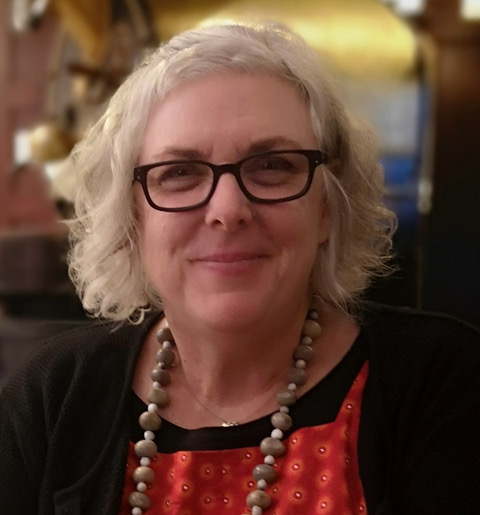
Artist • Art Psychotherapist • Facilitator
I am an HCPC and BAAT registered Art Psychotherapist (and Bereavement Counsellor) living in a village near Loughborough in the East Midlands. I trained at the University of Hertfordshire, gaining both a 2-year PG Dip and then later an MA in Art Therapy before returning to South Africa for many years.
My practice is client-centred and psychodynamic in nature, as well as being inclusive and trauma informed. While I am comfortable and familiar working with all age groups, I have a particular interest in working with issues affecting women and children, especially those involving illness, various losses, trauma and bereavement.
See BAAT and HCPC for further information on Art Therapy.
More background
I have been a trained Art Psychotherapist for almost 30 years. Before that I was both a general nurse and midwife with a special interest in paediatrics and oncology. It was around the time I was working with hospitalised ill or traumatised children, and also seeing the effect on children of community and other violence, that I discovered the field of Art Therapy; I had always been passionate about art-making and its potential for connection and healing in my own life, so it felt natural to follow this new direction.
Growing up in a fishing village, I had witnessed first hand how communities were left devastated and fractured by apartheid, extreme poverty, community and state violence, and later the HIV/AIDS pandemic. The discovery of Art Therapy (not yet a recognised profession in South Africa) led me to leave South Africa for a while to begin my training in the UK, as it was not possible then to study Art Therapy in South Africa.
After completing my PG Dip in Art Therapy and then later my MA too, I returned to South Africa and established an NPO working with marginalised and traumatised women and children. This registered NPO was called the Community Arts Therapy programme (CATh).
Community Arts Therapy
The CATh Programme
As mentioned above the organisation was called the Community Arts Therapy programme, also known as CATh. It was a non-profit organisation supporting marginalised and traumatised women, children and young people. Through art psychotherapy, community projects and creative programmes, the work provided safe and supportive spaces across schools, communities and clinical settings in South Africa.
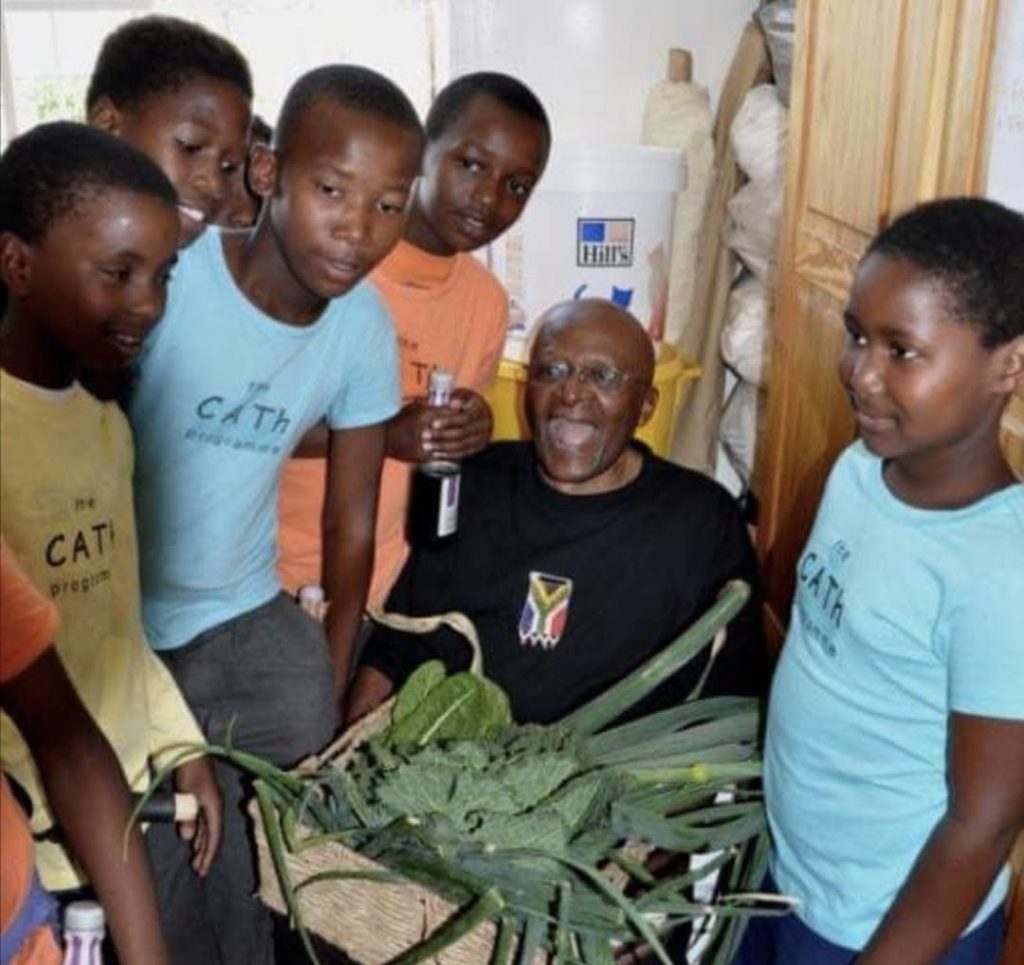
The work included:
Children & Young People
- Art psychotherapy groups for children and young people
- Creative after-school programmes
- Bereavement Groups
Women & Families
- Women’s support and income-generation groups
- Bereavement support
Community Impact
- Community arts projects and events
- Staff support and reflective practice
- Training and supervision
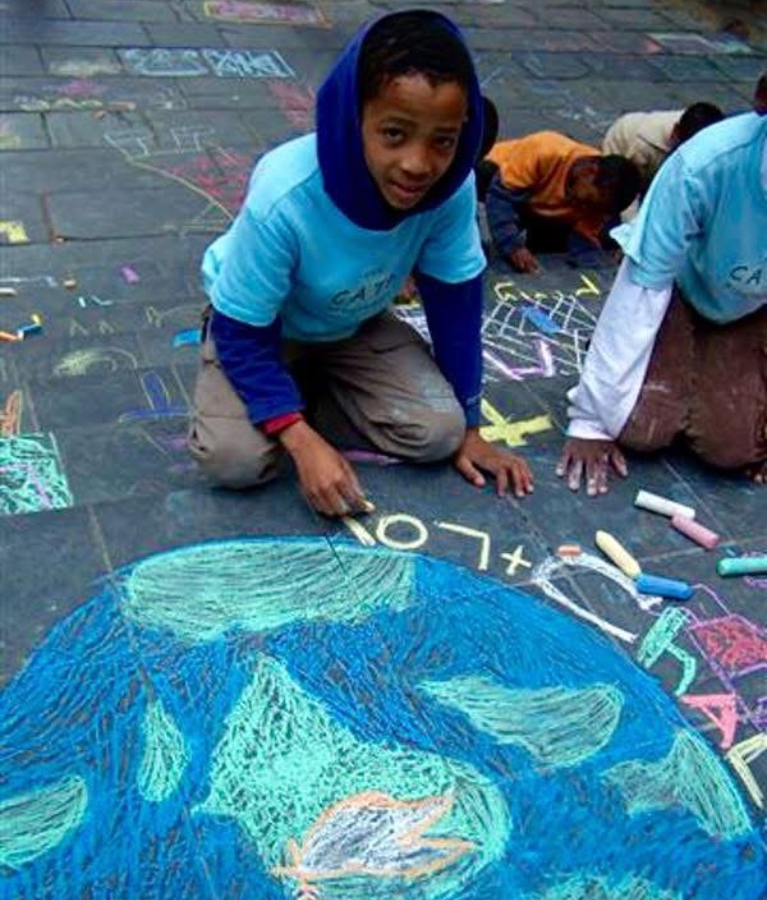
Community Arts Project
CHALK4PEACE
In addition, we facilitated community-based projects and events such as the annual CHALK4PEACE event in Cape Town’s city centre, where 100 children from vastly different backgrounds and life experiences came together to create and share their individual or collective visions of peace. These chalk images were then shared on a global platform.
This initiative emerged through an invitation from John Aaron (the founder of CHALK4PEACE) and the late Emeritus Archbishop Desmond Mpilo Tutu, who was also CATh’s Patron and shared a deep appreciation for and ongoing interest in the power and efficacy of Art Therapy.
We also facilitated bereavement groups at various schools and in collaboration with other organisations such as Childline, Safe Schools and the Amy Biehl Foundation. Staff training of community counsellors took place at various organisations in Nairobi, Kenya, and also at various community based mental health clinics in Cape Town, such as the Empilweni Clinic in Khayelitsha, run by the Department of Psychiatry and Mental Health at the University of Cape Town.
During this time I continued to offer individual and family sessions in a small private practice, which I still offer both in-person in the UK, and online.
My Approach
Creating Space for Healing, Reflection & Growth
My practice centres on creating warm, safe and inclusive spaces where creativity can support healing, connection, and personal growth. I mostly work in a psychodynamic and client-centred way, with the process usually being client-led and tailor-made. I like to think that my approach is always trauma-informed, culturally sensitive and inclusive.
I have extensive experience and special interest in working with issues around loss and bereavement, and with those affected by life-threatening or life-limiting illnesses. I find it a privilege to be part of any legacy work, and other work relating to palliative or end of life care.
While much of my work has been alongside ill or dying children, and their siblings, a lot has also been in supporting families, and mothers especially. This has been both through the anticipatory grief stage, and after the loss of the loved one.
I continually adapt my practice to suit the needs of the individuals and families I am privileged to work alongside. Approaches will vary accordingly. I enjoy working with clients from varying cultural backgrounds, and do my best to accommodate needs and cultural preferences as they may arise in the work.
Community & Connection
Working Across Cultures & Communities
I have been privileged over the years to have worked alongside many refugee and asylum seeking women, as they have both explored their various losses and traumas while also seeking new connections and opportunities, often offering one another deep understanding, support and encouragement when in a group setting. The same deep understanding and support has been evident when I have worked with groups of bereaved women, mothers especially.
A Little More Personally
Finding Inspiration in Creativity, Nature & Stillness
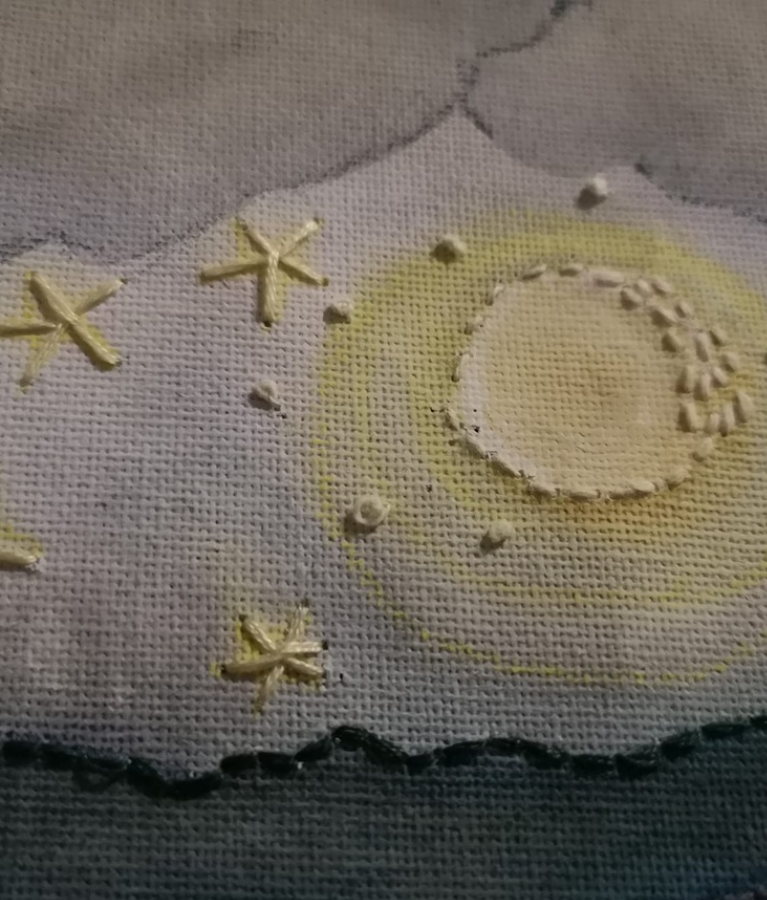
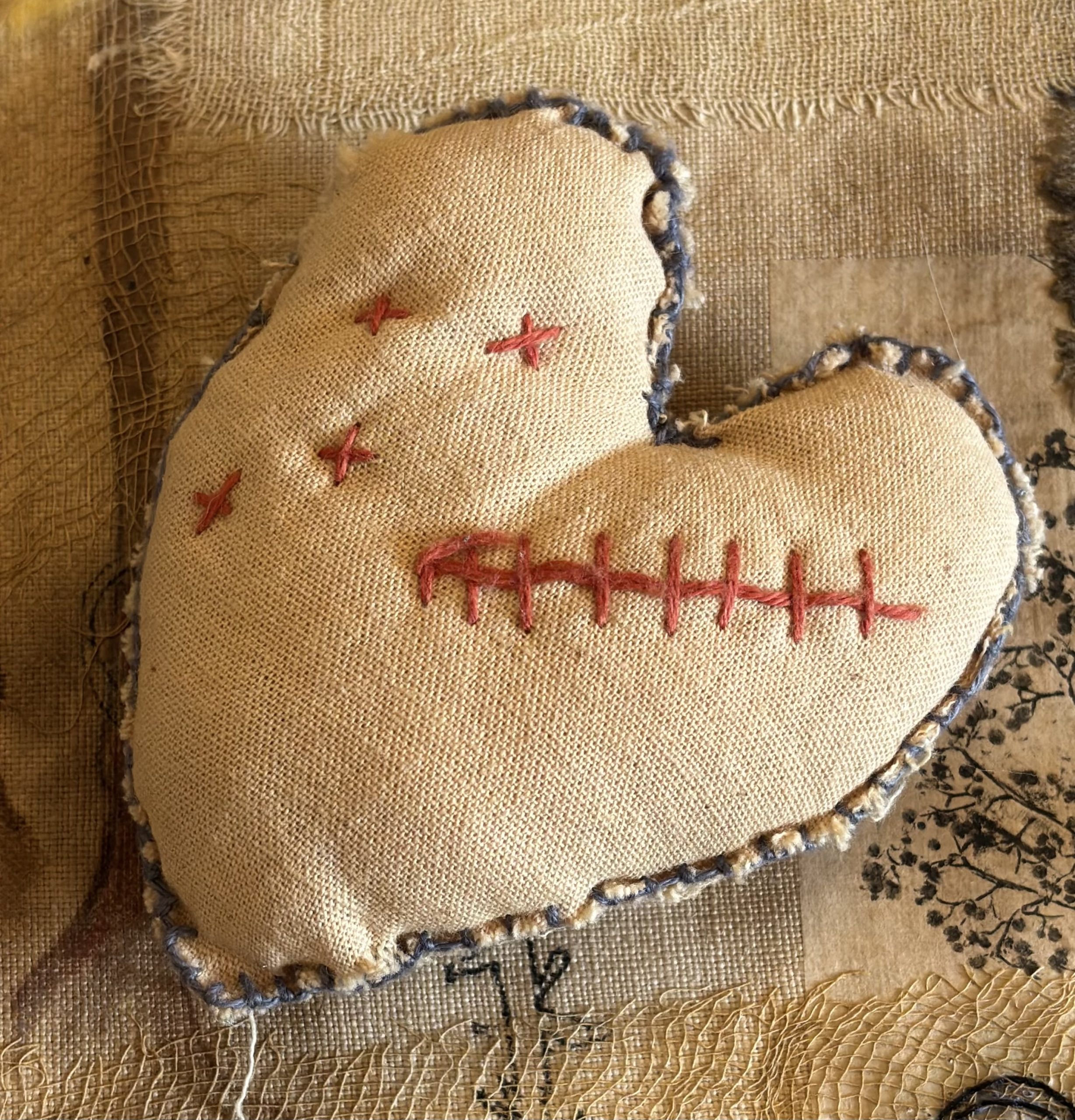
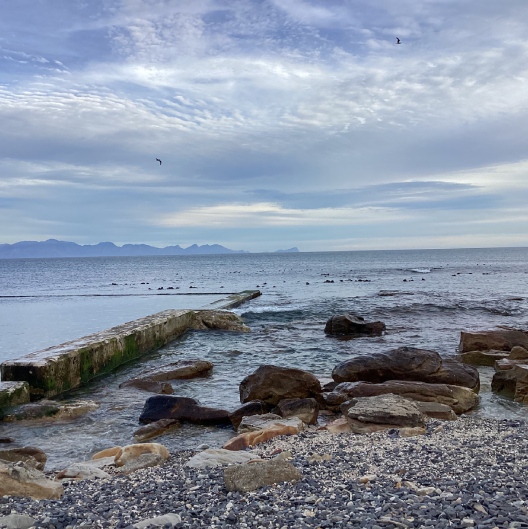
Outside of my professional work, I enjoy writing, stitching, printmaking, walking in nature, and spending time by the sea whenever possible.
For many years, evening walks with my dogs along the coastline were an essential part of daily life.
Whether by the sea, in forests, or simply somewhere quiet, I value spaces of stillness, reflection, and calm — qualities I also try to bring into the spaces I facilitate for others.